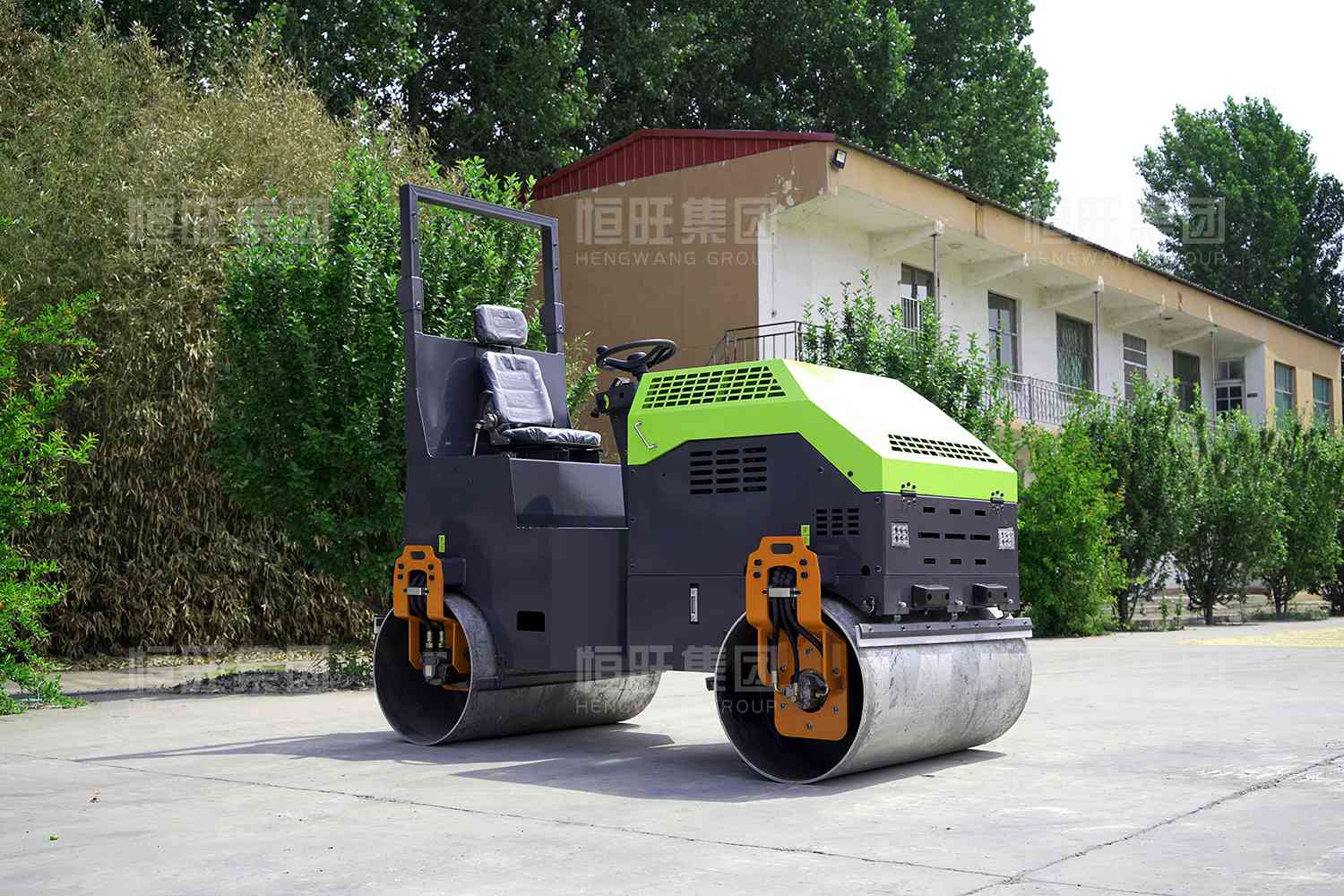
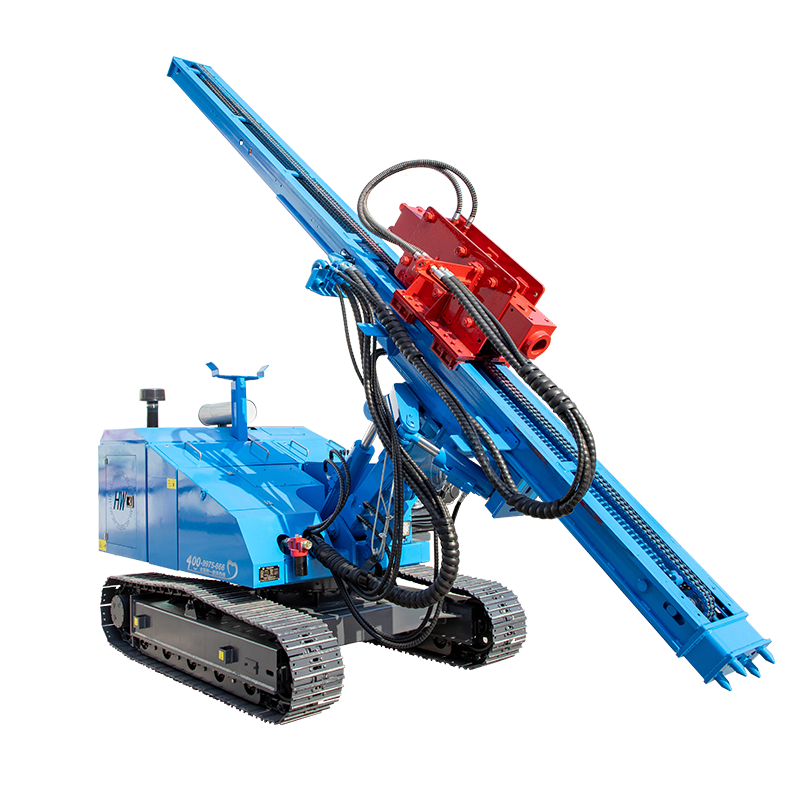
The core advantage of road rollers lies in their powerful compaction capability. Static road rollers use the gravitational pressure of steel smooth wheels or padfoot drums to initially compact clay, gravel, and other base layers. Vibratory road rollers, meanwhile, transmit high-frequency vibrations through the drum to deep layers, rearranging particles to fill voids, boosting efficiency by over 30% compared to traditional static machines. Using both types in tandem covers full-process compaction needs from subgrade to pavement, ensuring density standards at each construction stage.
Modern road rollers offer high flexibility, adaptable to various scenarios:
Terrain Adaptability: Whether on plains, hills, or plateaus, adjustable gravity center designs and all-wheel drive systems enable stable operation on sloped surfaces or soft foundations, preventing slippage or settlement.
Material Compatibility: For flexible compaction of asphalt concrete pavements, low-amplitude high-frequency vibration modes avoid aggregate breakage. For rigid compaction of subgrade earthworks, increasing static weight or excitation force achieves deep compaction (up to 50-100 cm depth).
Intelligent Upgrades: Some advanced models integrate GPS positioning and real-time compaction monitoring systems, adjusting pressure parameters automatically via sensor feedback to avoid over-compaction or missed areas, enhancing construction precision.
Compared to traditional compaction methods, road rollers optimize technology to reduce both energy consumption and costs:
Power System Optimization: Diesel engines paired with hydraulic transmission minimize energy loss, cutting fuel consumption by 15%-20% per unit area.
Maintenance Convenience: Modular designs improve replacement efficiency for key components (e.g., vibration bearings, seals) by 50%, extending maintenance cycles to over 500 hours and lowering downtime costs.
Shorter Construction Periods: A single machine can compact tens of thousands of square meters daily. Combined with multi-machine operations, this shortens construction time by over 70% compared to manual ramming, ideal for large projects with tight schedules.
Road roller design prioritizes operational safety and environmental requirements:
Ergonomics: Enclosed cabs feature shock-absorbing seats and noise insulation to reduce driver fatigue. Panoramic windows and rear-view cameras minimize blind spots.
Environmental Technology: Stage IV/EU Stage V engines with exhaust treatment systems cut NOx and PM emissions by 60%. Electric road rollers, increasingly adopted, offer zero emissions for urban core-area construction.
Structural Reinforcement: High-toughness steel welded frames enhance impact resistance by 30%. Finite element analysis optimizes key stress points for long-term high-frequency vibration, extending equipment life to 8-10 years.
As the "cornerstone craftsmen" of infrastructure, road rollers drive quality and efficiency upgrades through high-performance, intelligent, and eco-friendly technologies. From subgrade formation to pavement laying, their precise compaction processes lay a solid foundation for highway durability, railway stability, and airport safety, making them indispensable in modern construction. With the deepening application of green and intelligent technologies, road rollers continue to evolve toward higher efficiency, intelligence, and sustainability, powering high-quality development in global infrastructure.